
In April, Lithuania recorded a significant breakthrough in the renewable energy sector, with nearly 41 GWh of biomethane injected into the gas transmission system. This is almost three times more than in April last year, when 15 GWh was supplied. For comparison, the amount of biomethane produced in Lithuania during April alone would be enough to cover the cooking needs of approximately 70,000–100,000 households for an entire year. The growth was driven by expanded gas grid injection capacities and newly launched biomethane plants.
Since the beginning of 2026, “Green Genius” has launched six remote biomethane plants in Lithuania, as well as one facility where the produced biomethane is supplied directly into the transmission network. The combined annual production capacity of these projects will reach 192 GWh, while the instantaneous biomethane production capacity will amount to nearly 22 MW.
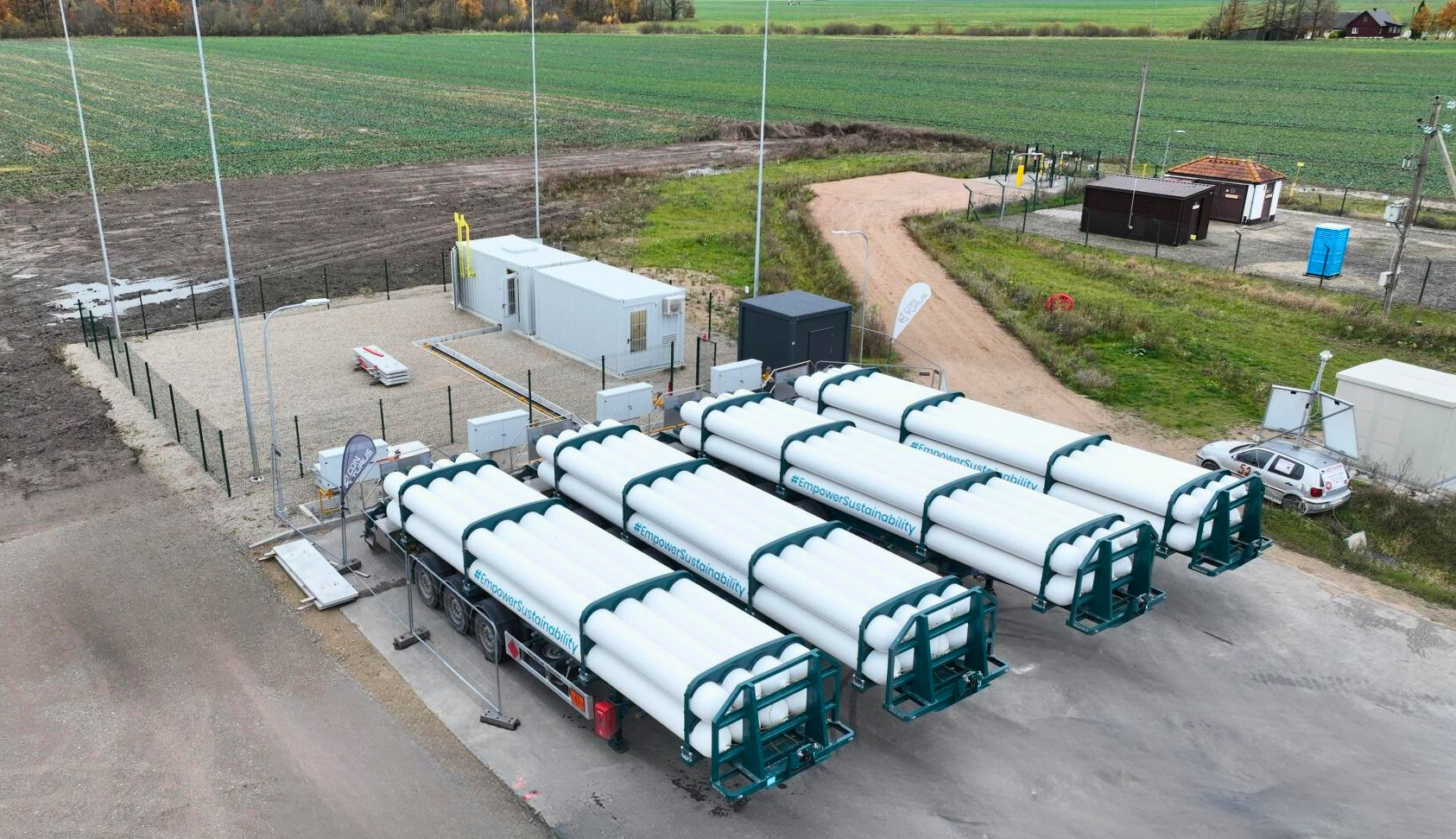
Currently, Lithuania has a total of 14 biomethane plants in operation, with a combined production capacity of 76 MW. Five plants are directly connected to the “Amber Grid” gas transmission system, another eight supply biomethane to the network via truck deliveries through injection points, and one plant is connected to the gas distribution network.
“We are witnessing rapidly growing biomethane production capacities in Lithuania, expanding infrastructure, and the country’s active participation in the European green energy market. The integration of the renewable gas guarantees of origin registry administered by ‘Amber Grid’ into the European AIB (Association of Issuing Bodies) and ERGaR (European Registry for Renewable Gas) platforms enables Lithuanian producers to export their biomethane more efficiently and strengthens the sector’s international competitiveness,” says Nemunas Biknius, CEO of “Amber Grid.”
Guarantees of origin are issued for biomethane produced in Lithuania and injected into the gas system, confirming that the gas has been generated from renewable energy sources. During the first four months of this year, “Amber Grid” issued guarantees of origin for nearly 150 GWh of biomethane production, representing a 2.5-fold increase compared to the same period last year.
Currently, biomethane produced in Lithuania accounts for around 2% of the country’s total gas consumption. Ongoing investments indicate that by 2030 biomethane production will reach 1.4 TWh and cover nearly 10% of Lithuania’s gas demand, as outlined in the National Energy Independence Strategy.
The growth of the biomethane market in Lithuania is driven not only by the increasing need to decarbonize the transport sector, but also by the opportunity to efficiently utilize manure generated in agriculture, food industry waste, and other organic waste streams, contributing to circular economy and energy independence goals.

